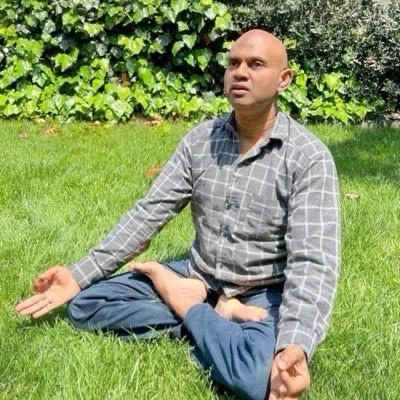
How the blind Muslim Yogi perceives nature
This video delves into the profound connection between human well-being and nature, drawing inspiration from Osman, affectionately known as ‘The Blind Muslim Yogi.’ Osman, a master bioenergy healer and advanced yoga practitioner, presents a paradigm shift in our interaction with the environment. He argues that modern urban life negatively impacts our nervous systems, contrasting the suffocating and polluted reality of cities with the liberating energy of nature.
Osman identifies two types of pollution in urban environments: physical (exhaust fumes, lead) and energetic. He explains that crowded cities create a volatile energetic atmosphere, exposing individuals to the stressed and negative beta brainwave states of others. This is amplified by mirror neurons, causing us to subconsciously absorb the anxiety and hypervigilance around us, resulting in an ‘invisible smog of stress.’ This constant exposure drains our mental bandwidth and narrows our focus, leading to psychological myopia.
Osman suggests that nature serves as a powerful counterpoint, offering a pure and high-speed connection. He uses the example of a bird’s chirp as a ‘pattern interrupt’ that can break the cycle of anxious rumination. By shifting our focus from internal, magnified problems to the simple and instinctual existence of nature, we can ‘right-size’ our own issues. This concept is further illustrated by the sun’s unwavering consistency and the ants’ complex society, which, from their perspective, might seem like the pinnacle of intelligence. Osman questions human superiority, considering our emotional suffering, and proposes that true superiority lies in aligning with purpose, akin to nature’s frictionless existence.
The video explores the concept of hormetic stress and draws inspiration from nature’s raw power. Osman recounts a game drive in South Africa, where he learned from a guide about the peaceful, instinctual nature of apex predators like lions when their biological needs are met. Unlike humans who hunt for ego or sport, lions act with lethal efficiency only when threatened or hungry and rest peacefully when their needs are satisfied. This stark contrast highlights the modern human experience of stress and anxiety even when physically safe and well-fed, often triggered by digital notifications.
Osman emphasizes that connecting with nature is accessible to everyone, regardless of location or physical ability. He advocates for ‘micro-dosing’ nature through simple, deliberate interventions like listening to a bird’s chirp or feeling the sun’s warmth. Osman shares his personal practice of daily morning sun exposure (15-20 minutes, ideally between 9-10 am) for its physiological benefits, while being mindful of its potential dangers later in the day. This practice is about ‘being’ rather than ‘doing,’ challenging the modern obsession with optimizing relaxation.
The video also touches on finding joy even in extreme discomfort, using Osman’s experiences in Dubai’s intense heat as an example. This involves cognitive reframing and embracing hormetic stress, learning to master one’s internal environment even when external conditions are harsh. The core message is that nature offers a path to emotional regulation, psychological resilience, and a more balanced, less anxious existence by reconnecting us to fundamental biological necessities.
This video delves into the concept of psychological resilience and reframing challenging situations, using Osman’s life as a central example. Osman, facing the scorching heat of Dubai, consciously chose to reframe his experience not as suffering, but as a “free sauna.” This mental shift, rooted in understanding the psychology and neurobiology of perception, enabled him to perceive the same heat as pleasant by associating it with relaxation and health benefits. This approach eliminated psychological resistance and secondary suffering.
The discussion then distinguishes between this psychological resilience and physiological recklessness. Osman’s approach is not about ignoring physical danger but managing the emotional response to unavoidable discomfort. This is further illustrated by Buddhist philosophy, where suffering is defined as pain multiplied by resistance. By reducing resistance to zero, Osman eliminated his mental suffering.
The narrative then shifts to a more profound test of Osman’s resilience: his experience in Turkey during winter, post-COVID. Having adapted to extreme heat, he was suddenly plunged into freezing, snowy conditions. Compounding this, he was blind and nearly penniless, facing an existential crisis. Despite these overwhelming circumstances, Osman focused on the tactile sensations of the snow, drawing on childhood memories to appreciate its beauty. He found happiness and peace in the present moment, refusing to let the terror of his future overshadow the immediate sensory experience.
This story highlights the power of Osman’s 50 years of yoga and meditation, not in changing external circumstances, but in commanding his attention and connecting with the energetic frequency of nature. The video argues that this connection to nature—the sun, snow, heat—transcends the self and artificial societal stresses.
As a practical prescription for the modern human condition, the video suggests a deliberate re-engagement with the natural world. This involves consciously disconnecting from urban “beta state” anxieties, learning consistency from the sun’s rhythm, understanding the calm instinct of a resting lion (distinguishing real threats from imagined ones), and utilizing “micro moments” in nature. The core message is to reframe unavoidable discomfort, like Osman’s “free sauna” or “soft snow” experience, to drop resistance and thus suffering.
Finally, the video reflects on Osman’s blindness as a catalyst for his clear “energetic vision,” proving that true connection with nature requires open consciousness, not just sight. It questions whether simulated nature can replicate this profound biological and energetic exchange, concluding with a challenge to actively listen to and feel nature, rather than merely observing it, to change one’s own frequency.

